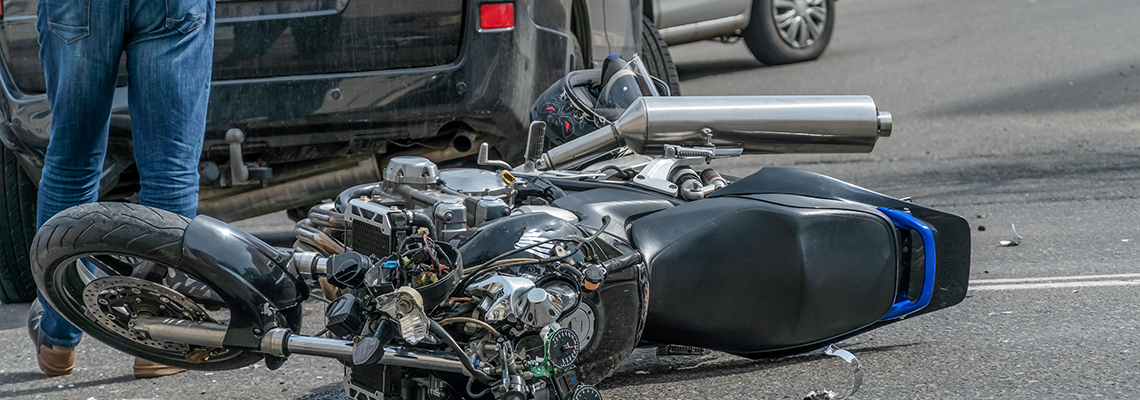
What Evidence Strengthens a Motorcycle Accident Case?
Motorcycles are a popular form of transportation. However, their small size and minimal physical protection can lead to devastating injuries and significant property damage following an accident. If you were involved in a motorcycle accident in Southern California, you have a legal right to pursue compensation, and detailed evidence will often serve as the backbone of your case.
At the Law Offices of Steven Zwick, we understand that the aftermath of a motorcycle accident can be challenging. Our experienced attorneys can help you explore the types of evidence you should gather to support your case and how to implement it to pursue the compensation you need.
Common Causes of Motorcycle Accidents
Motorcycle accidents can occur for a number of reasons. Unlike typical car accidents, motorcycles are harder to spot, which can increase the likelihood of an accident. Understanding how motorcycle accidents can happen is crucial for determining liability and identifying contributing factors.
The frequent causes of motorcycle accidents include:
Driver negligence: Many accidents are caused by other drivers failing to notice motorcycles on the road. Common forms of negligence include distracted driving (such as texting while driving), failing to yield the right of way, speeding, and running a red light.
Left-turn accidents: A significant number of motorcycle accidents occur when a vehicle makes an improper or illegal left-hand turn and collides with an oncoming motorcycle. These intersections can prove particularly dangerous.
Lane splitting: While lane splitting is legal in California under certain circumstances, it’s a considerable factor in many accidents, especially when other drivers are unfamiliar with the practice or fail to check their blind spots.
Hazardous road conditions: Poorly maintained roadways, potholes, debris, or loose gravel are especially perilous for motorcycles due to their smaller size and reduced stability compared to other vehicles.
Defective motorcycle equipment: Sometimes, the cause of an accident stems from a defective part or mechanical failure. Faulty brakes, tires, or other components can typically lead to devastating collisions.
Identifying the cause of the accident is the first step in determining responsibility. To maximize your chances of filing a successful claim, start collecting evidence as soon as possible after the accident and keep it safe and organized as you prepare your case.
Evidence You Should Gather Following a Motorcycle Accident
If you have been injured in a motorcycle accident, the quality of evidence you gather can significantly impact the strength of your case. While the types of evidence you will need to gather may depend on the circumstances of the accident, the evidence you should typically collect includes the following:
Photographic evidence: If possible, take clear photographs of the accident scene. Capture the position of the vehicles involved, skid marks, road conditions, traffic signs, and any visible injuries. Photographs can visually document what happened and provide insight into the severity of the collision.
Witness statements: If there were witnesses to the accident, collect their contact information and ask for a detailed statement about what they saw. Witness testimony can provide unbiased perspectives on how the accident occurred and help substantiate your account of the events.
Police reports: Always contact law enforcement after an accident. Request a copy of the official police report once it becomes available. This report will provide an authoritative summary of the incident, including any violations or citations issued to the other party.
Medical records: Seek medical attention immediately, even if your injuries seem minor. Medical records and documentation from your healthcare provider can demonstrate the extent of your injuries and connect them directly to the accident. Keep receipts for all related medical expenses, including hospital visits, physical therapy, and prescriptions.
Motorcycle and helmet damage: Document the damage to your motorcycle and any safety gear, such as your helmet. Take photographs of visible wear and obtain repair estimates to establish the financial impact of property damage.
Surveillance footage: Nearby businesses, homes, or traffic cameras may have captured the accident. If you suspect that video footage exists, act quickly to obtain it, as it might be overwritten or deleted over time.
Your own recollection: Keep a detailed journal describing the events leading up to and following the accident. Include how the accident has impacted your daily life, your physical and emotional recovery, and your ability to work, if applicable. These personal accounts can paint a vivid picture for an insurance adjuster, a judge, or a jury.
By collecting these types of evidence, you'll be more prepared to present your case effectively and increase the likelihood of a favorable outcome.
How the Evidence You Gather Can Strengthen Your Claim
The evidence you gather after an accident will often serve as the foundation of a claim for compensation. However, collecting the necessary evidence isn't enough. It's equally important to understand how this evidence can directly strengthen your motorcycle accident case.
The primary ways strong evidence can reinforce your claim include:
Establishing fault: California operates under a comparative negligence rule, which means you can still recover damages even if you’re partially at fault for the accident. However, your compensation will be reduced by the percentage of your fault. Photographs, witness statements, and police reports can help prove whether the other party was primarily responsible for causing the collision.
Proving negligence: Strong evidence is crucial to demonstrate that another party acted negligently. For example, if another driver failed to yield or violated traffic laws, the police report and evidence, such as traffic camera footage, can highlight these infractions.
Supporting your injury claim: Medical records and photos of your injuries post-accident can prove the extent of harm you’ve suffered. These documents eliminate speculation about whether your injuries were pre-existing or caused by the crash.
Quantifying your damages: Evidence provides the foundation to calculate the damages you're owed. This includes economic damages, such as repair costs and medical bills, as well as non-economic damages, such as pain and suffering. Comprehensive evidence can create a compelling argument for why you’re entitled to maximum compensation.
Negotiating power: When presenting a well-evidenced claim to an insurance company, you demonstrate that you’re prepared to take the matter to court if necessary. This strengthens your position during settlement negotiations and increases the likelihood of a fair offer before trial.
Preparing for litigation: If your case does proceed to court, strong evidence provides your attorney with the tools necessary to build a persuasive argument in front of a judge or jury. The more evidence you have, the easier it will be to make a compelling case.
Contact an Experienced Personal Injury Attorney Serving Orange County, California
If you have been injured in a motorcycle accident in Southern California, collecting comprehensive evidence about the incident and your injuries provides you with the information you need to build a strong case for compensation.
At the Law Offices of Steven Zwick, we are experienced in handling personal injury claims, including motorcycle accident cases. Our attorneys will help you collect and analyze the evidence you need to make the process as seamless as possible. Contact us today to schedule a free consultation.
We proudly represent clients across Orange County, including but not limited to Anaheim, Brea, Buena Park, Costa Mesa, Cypress, Dana Point, Fountain Valley, Fullerton, Garden Grove, Huntington Beach, La Habra, La Palma, Laguna Beach, Laguna Hills, Laguna Woods, Lake Forest, Los Alamitos, Newport Beach, Orange, Placentia, San Clemente, San Juan Capistrano, Santa Ana, Seal Beach, Stanton, Tustin, Villa Park, Westminster, and Yorba Linda.