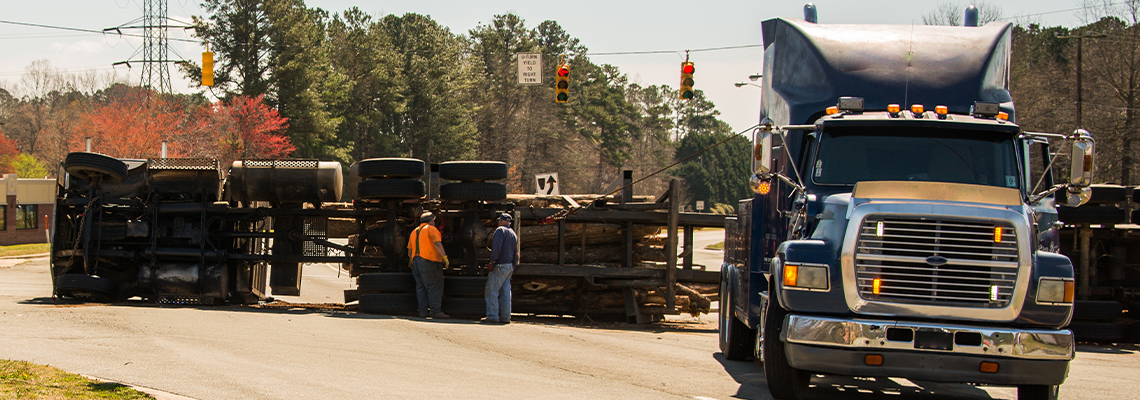
How Trucking Regulations Impact Your Injury Case
Being injured in a trucking accident can be frightening. Due to the size, weight, and scale of commercial trucks, accidents involving these vehicles often lead to greater damage and more severe injuries. If you have suffered an injury in a trucking accident, you have the right to pursue compensation for your injuries.
However, federal and state trucking regulations can often impact how you approach your claim and how compensation is awarded. Unlike car accidents, truck accidents are governed by different laws and regulations. These regulations are designed to help ensure the safety of both truck drivers and other motorists on the road.
At the Law Offices of Steven Zwick, serving Orange County, California, we recognize the challenges of dealing with the aftermath of a truck accident. Our attorneys are committed to helping you pursue compensation and understand how trucking regulations could influence your case.
California State & Federal Trucking Regulations
The trucking industry is highly regulated at both the federal and state levels. The Federal Motor Carrier Safety Administration (FMCSA) has strict rules and regulations for truck drivers and safety. These regulations cover various aspects of trucking operations, including:
Driver qualifications: These regulations pertain to driver training, licensing, and health requirements.
Hours of service: Truck drivers must adhere to strict hours of service regulations that limit how many consecutive hours they can drive and require them to take rest breaks.
Vehicle maintenance: Trucks must be regularly inspected and maintained to make sure they are safe for operation on the road.
Cargo securement: Trucking regulations require that cargo be properly secured to prevent shifting or falling from the truck during transit.
At the state level, the California Department of Transportation (Caltrans) has additional laws that work in conjunction with federal regulations. California has stricter emissions standards that can affect a trucking company’s operational compliance within the state. Additionally, the state imposes specific restrictions on truck weight limits, speed limitations for certain roadways, and licensing requirements for commercial drivers.
These measures are designed to make sure trucking companies and drivers prioritize safety and operate responsibly on California roads.
How Truck Regulations Can Impact Your Personal Injury Case
When you file a claim after a truck accident occurs, a key part of the investigation involves whether the trucking company, driver, or any other potentially liable party violated the federal or state trucking regulations. Violations often indicate negligence, a critical component of a personal injury case.
Hours of service (HOS) violations: Truck drivers are required to take regular breaks and rest to prevent fatigue, which can lead to accidents. Under California Vehicle Code Section 21702, truck drivers are limited to 11 hours of driving time within a single shift, followed by a required rest period of 10 consecutive hours. If a driver fails to adhere to the HOS regulations, they could be held liable for any resulting accidents or injuries.
Vehicle maintenance violations: Commercial trucks must undergo regular inspections and maintenance to make sure they are safe for operation. Failure to meet these requirements could result in mechanical failures of the truck's brakes, tires, or steering mechanism, and the trucking company may be held liable for any resulting accident.
Weight limit violations: Trucks have strict weight limits that vary depending on the type of vehicle and cargo being transported. California generally imposes a maximum weight of 80,000 pounds for a standard commercial vehicle. Overloaded trucks can lead to catastrophic accidents because they are more challenging to control and cause greater damage upon impact.
Improperly secured cargo: In addition to weight limits, trucks must also make sure their cargo is secured correctly. Unsecured cargo can shift during transport, causing the truck to become imbalanced and increasing the risk of an accident.
Distracted driving: Truck drivers are required to stay focused on the road at all times. However, distractions such as texting, eating, or adjusting the radio can take their attention away from driving, leading to accidents.
Drug and alcohol use: The use of drugs and alcohol while operating a commercial truck is strictly prohibited. These substances can impair a driver's judgement and reaction time, leading to dangerous driving behavior.
Inadequate training: Operating a commercial truck requires special skills and knowledge. Drivers who are not adequately trained or licensed may make critical mistakes that result in accidents.
During a truck accident investigation, it's important to gather comprehensive evidence to support your case. Logbooks, digital tachograph data, electronic logging devices (ELDs), maintenance reports, and accident reports can help establish a clear picture of the accident and determine whether negligence or violations caused the collision.
Establishing Liability in Truck Accident Cases
If a truck driver, company, or manufacturer violated federal or California trucking regulations, they could be held liable for the accident. Determining the liability or negligence of the other driver can often help your case. However, depending on the circumstances of the accident, multiple parties may be held liable for the collision:
Truck driver: The truck driver may be at fault for reckless driving, texting behind the wheel, or failure to adhere to HOS guidelines.
Trucking company: The trucking company may be liable for inadequate training or pushing drivers to meet unrealistic deadlines that encourage unsafe behavior.
Third-party providers: Cargo-loading companies, maintenance providers, and even manufacturers of defective truck parts may share responsibility for the accident.
Establishing liability in a trucking accident can often be challenging. Trucking companies typically have strong legal teams and insurance adjusters working to minimize their liability. Under California's "comparative fault" rule, you will still be able to recover compensation if you are found to be partially responsible for the accident. However, your compensation will be reduced by the percentage of fault assigned to you.
If you or someone you know has been injured in a truck accident in California, our skilled personal injury attorneys can help you determine fault, identify violations of federal and state trucking regulations, and advocate for the compensation you need for your recovery.
Contact an Experienced Personal Injury Attorney in Orange County, California
Unlike car accidents, truck accidents are governed by stricter laws and regulations, which can often have considerable impacts on your ability to pursue compensation for your injuries. At the Law Offices of Steven Zwick, we have extensive experience handling truck accident cases, and we can help you investigate potential violations and negotiate with insurance to secure the justice and damages you are entitled to.
Based in Orange County, California, we proudly serve clients in Anaheim, Brea, Buena Park, Costa Mesa, Cypress, Dana Point, Fountain Valley, Fullerton, Garden Grove, Huntington Beach, La Habra, La Palma, Laguna Beach, Laguna Hills, Laguna Woods, Lake Forest, Los Alamitos, Newport Beach, Orange, Placentia, San Clemente, San Juan Capistrano, Santa Ana, Seal Beach, Stanton, Tustin, Villa Park, Westminster, and Yorba Linda.