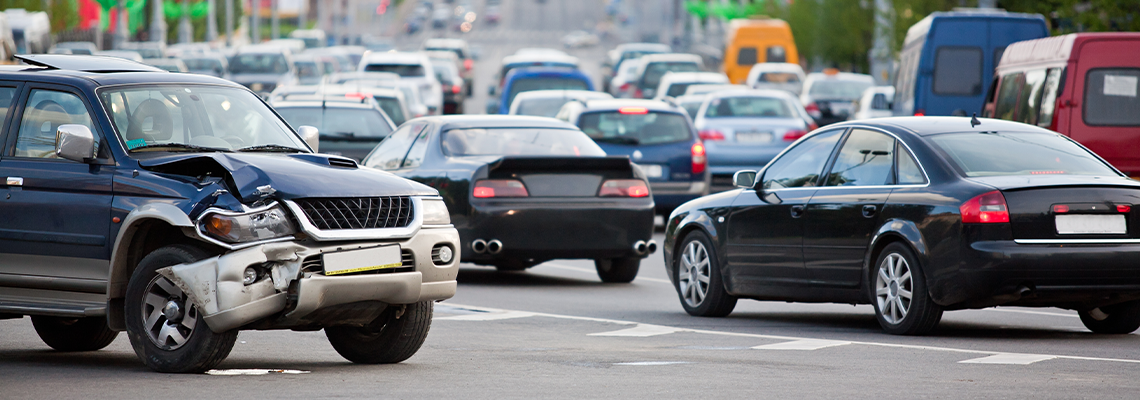
Determining Fault in Multi-Vehicle California Car Accidents
In a chain-reaction accident, fault is not always assigned to just one driver. In California, liability in a multi-vehicle accident is determined by evidence showing how each driver’s actions contributed to the collision, and more than one person can share responsibility under the state’s comparative fault rules. The determination of fault can affect whose insurance pays and how much compensation you may recover.
At the Law Offices of Steven Zwick, we help vehicle accident victims make sense of complicated car accidents, including crashes involving several drivers, disputed police reports, and conflicting insurance statements. If you were injured in an accident in Irvine, Mission Viejo, Laguna Niguel, Rancho Santa Margarita, Laguna Hills, Aliso Viejo, or elsewhere in Orange County, California, we can help you understand how liability is determined in multi-vehicle accidents and gather evidence to hold the responsible parties accountable.
How Fault Is Decided in a Multi-Vehicle Crash
In multi-vehicle car accidents, fault is determined by investigating each driver’s actions before and during the crash. Investigators, insurers, and, if necessary, the court will examine whether a driver was speeding, following another vehicle too closely, changing lanes unsafely, driving distracted, failing to yield, or violating another traffic rule.
In three-car or four-car collisions, the first impact does not automatically decide the whole case. One driver may have caused the initial crash, while another may have worsened the damage by failing to stop in time or swerving into a different lane.
In multi-vehicle pileups, insurers often try to spread blame broadly. If they can assign you even partial responsibility, they may try to reduce what they pay.
Why Rear-End Pileups Are Not Always Simple
Many people assume the last driver in a multi-vehicle rear-end accident is always at fault. Often, that driver does bear significant responsibility because California drivers must keep a reasonably safe following distance and control their speed. However, rear-end pileups are not always that simple.
For example, one driver may stop suddenly, another may have nonfunctioning brake lights, and a third may be traveling too fast for the traffic conditions. In some cases, the lead driver’s unsafe lane change or abrupt stop is the primary cause of the accident. In others, a middle driver may be pushed into the vehicle ahead and may not be responsible for that particular impact.
The question is not just who hit whom. It is whether each person acted reasonably under the circumstances and whether that conduct was a substantial factor in causing harm.
Evidence That Can Help Determine Liability
In a multi-vehicle accident, evidence is the determining factor for whether fault is clear or heavily disputed. The primary evidence you should gather if you have been involved in a multi-car pileup includes the following:
Photos of vehicle damage, skid marks, debris, and road conditions
Dashcam or surveillance video
Witness statements from drivers, passengers, or bystanders
The traffic collision report
Vehicle event data
Cell phone records in distracted-driving cases
Medical records that connect your injuries to the crash
Vehicle damage patterns may help show the order of impacts, whether a vehicle was already stopped, and whether a separate collision pushed a driver forward. A crash that appears to be one event may involve two or three distinct impacts, each with different legal consequences. So avoid discussing fault or making statements to insurance companies without first speaking with a California car accident attorney.
How California Comparative Fault Can Affect Your Claim
California follows a pure comparative negligence rule. This means you can still recover compensation even if you are partially at fault. Under California Civil Code section 1431.2, fault can be allocated among multiple responsible parties. However, your compensation may be reduced by your share of fault.
For example, if you are found to be 20% at fault, your recoverable damages will generally be reduced by 20%. In a multi-vehicle case, fault may be divided among several drivers rather than assigned to one person. That can create disputes about liability and which insurer should pay what share.
Can More Than One Driver Be Sued?
Yes. If multiple drivers contributed to the crash, more than one may be legally responsible for your injuries. That doesn’t mean every driver involved will be liable, but it does mean you may need to address several insurers and competing defenses when filing a claim.
Sometimes another party outside the line of drivers may also share responsibility for the accident. Depending on the accident, potentially liable third parties could involve an employer, a commercial vehicle owner, or a public entity responsible for road design or maintenance. Claims against public entities often have shorter deadlines than the standard two-year statute of limitations, so it’s important to consult a California personal injury attorney and file a claim as soon as possible.
Why Multi-Vehicle Cases Are Often More Disputed
Multi-vehicle accidents are more disputed because each driver has an incentive to minimize their role. Insurance companies may rely on incomplete statements, limited photos, or a simplified reading of the police report. A police report is evidence, not the final word on liability.
These cases can also cause disputes about causation. One driver may dispute causing the first impact. Another may argue that your injuries came from a later collision. An insurer may accept responsibility for property damage but contest the extent of bodily injury. In a serious accident, those distinctions can significantly affect the value of your settlement.
Contact Our Experienced Car Accident Attorneys in Orange County, California
If you have been injured in a multi-vehicle accident in California, you have the right to pursue compensation for your injuries. However, the amount of compensation you can recover will depend on how fault is determined. Since responsibility can be shared among multiple drivers or third parties, consult an experienced attorney as soon as possible who can help you determine fault and file a personal injury claim.
At the Law Offices of Steven Zwick, our attorneys, Steven Zwick and James Alquist, are dedicated to helping multi-vehicle accident victims determine liability. When several drivers are involved, we can help you evaluate the police report, review insurance communications, identify what evidence may still be available, and understand how comparative fault could affect your claim.
The central issue in these cases is often not whether someone else was careless, but whether the evidence clearly shows each driver’s role. For experienced guidance following a multi-vehicle accident, contact us to schedule a free consultation.
We proudly represent clients across Orange County, California, including but not limited to Anaheim, Brea, Buena Park, Costa Mesa, Cypress, Dana Point, Fountain Valley, Fullerton, Garden Grove, Huntington Beach, La Habra, La Palma, Laguna Beach, Laguna Hills, Laguna Woods, Lake Forest, Los Alamitos, Newport Beach, Orange, Placentia, San Clemente, San Juan Capistrano, Santa Ana, Seal Beach, Stanton, Tustin, Villa Park, Westminster, and Yorba Linda.